The Arithmetic
The house meter is the part of the building that pays you directly.
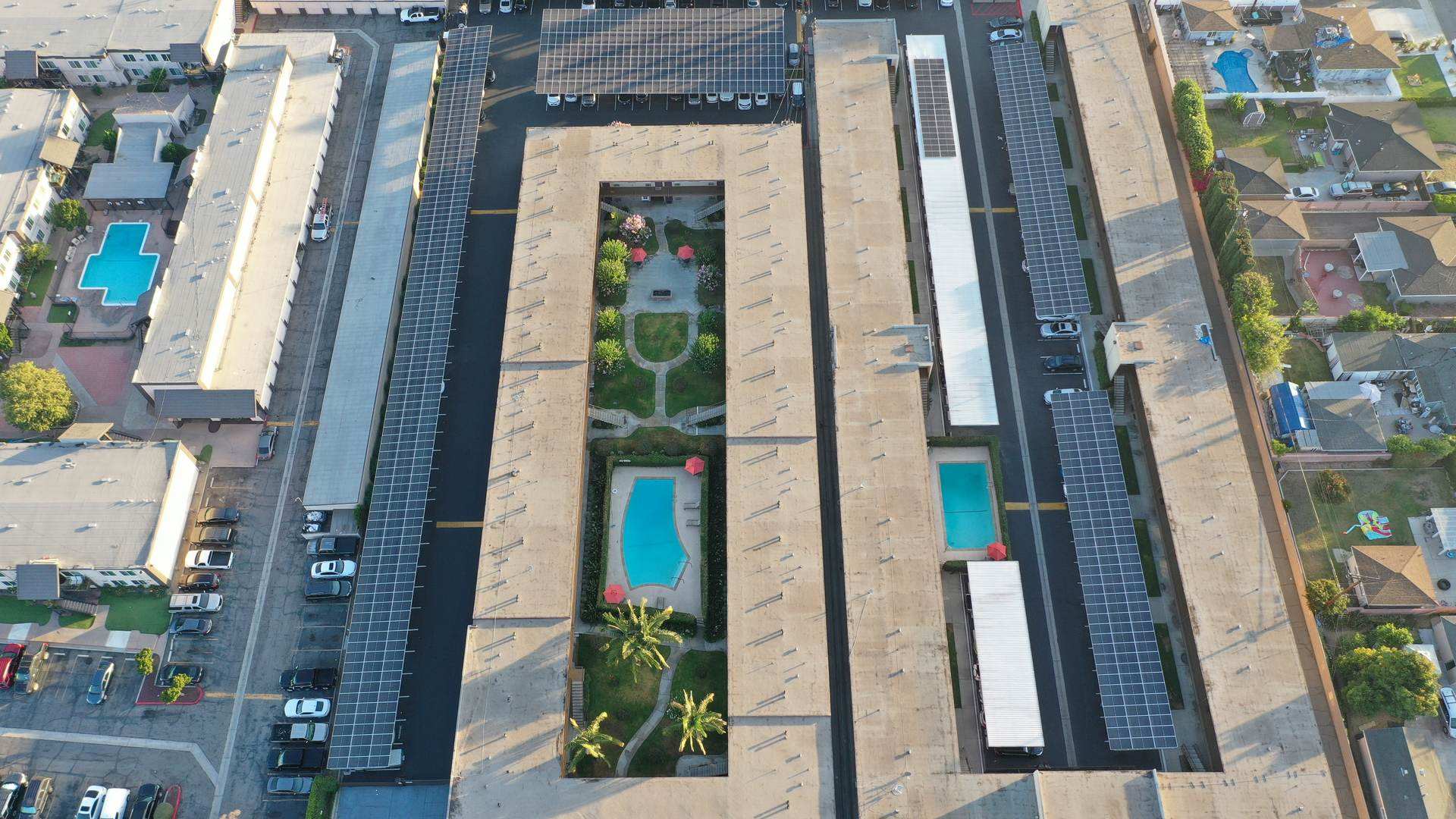
A two-hundred-unit property spends real money on electricity before a single resident turns on a light: elevators, corridor and garage lighting, laundry, circulation pumps, pool equipment, irrigation controls, the leasing office. That is the house meter, and it is the owner's own cost rather than the residents'. Which makes it the part of the building where generation pays you and not your tenants.
Reduce that annual cost by a dollar and net operating income rises by a dollar. Capitalise it at five percent and the asset is worth twenty dollars more. The improvement costs you nothing: we own the equipment, and you either buy its output at a discount to the tariff or lease us the surface it sits on. In both cases the saving begins in the first month of operation and compounds through every subsequent valuation and refinancing.
It does not merely improve this year's distribution. It revalues the asset.
The residents' meters are a separate question with separate answers, and better ones than most owners expect.